

Hidden beneath the iron bridge of Caulaincourt, Montmartre Cemetery is one of Paris’s most atmospheric and overlooked gems. While tourists stream past on their way to Sacré-Coeur, this 11-hectare garden of stone quietly holds the remains of Hector Berlioz, Edgar Degas, François Truffaut — and the city’s most visited grave: Dalida.
Entry is free. The atmosphere is extraordinary. Here is everything you need to visit.
📍 Essential Info
| Address | 20 Avenue Rachel, 75018 Paris |
| Entry | Free |
| Mon–Fri | 8:00 AM – 5:30 PM (6:00 PM summer) |
| Saturday | 8:30 AM – 5:30 PM (6:00 PM summer) |
| Sunday | 9:00 AM – 5:30 PM (6:00 PM summer) |
| Nearest Metro | Blanche (L2) · Place de Clichy (L2/L13) |
| Dalida’s grave | Division 18 — follow signs from entrance |
Want a guided tour of the cemetery?
Expert guides bring the stories of Berlioz, Dalida and Degas to life. Skip the map, catch every hidden grave.
Dalida’s Grave: What to Expect
The most-visited tomb in Montmartre Cemetery belongs to Dalida — the Italian-Egyptian-French singer who lived in Montmartre for 25 years, at 11 bis rue d’Orchampt, until her death in May 1987. She was 54.
A musical about her life, Dalida in Paradisco, opens in Paris in October 2027.
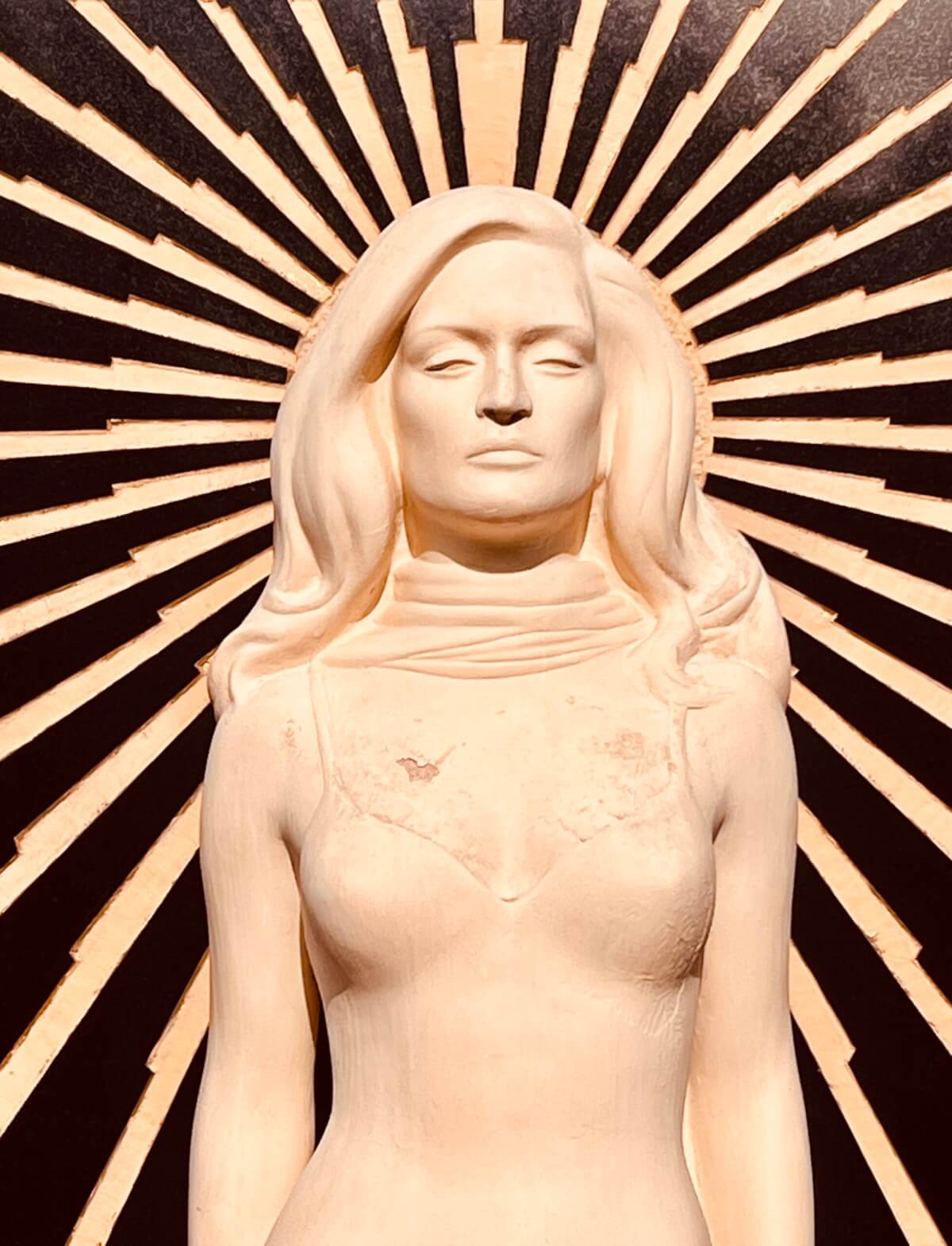
Her grave in Division 18 is immediately recognisable: a full-length white marble statue of Dalida stands against a black marble slab radiating gold sunrays. Flowers — almost always fresh — are left by fans year-round. It is one of the most photographed spots in any Parisian cemetery.
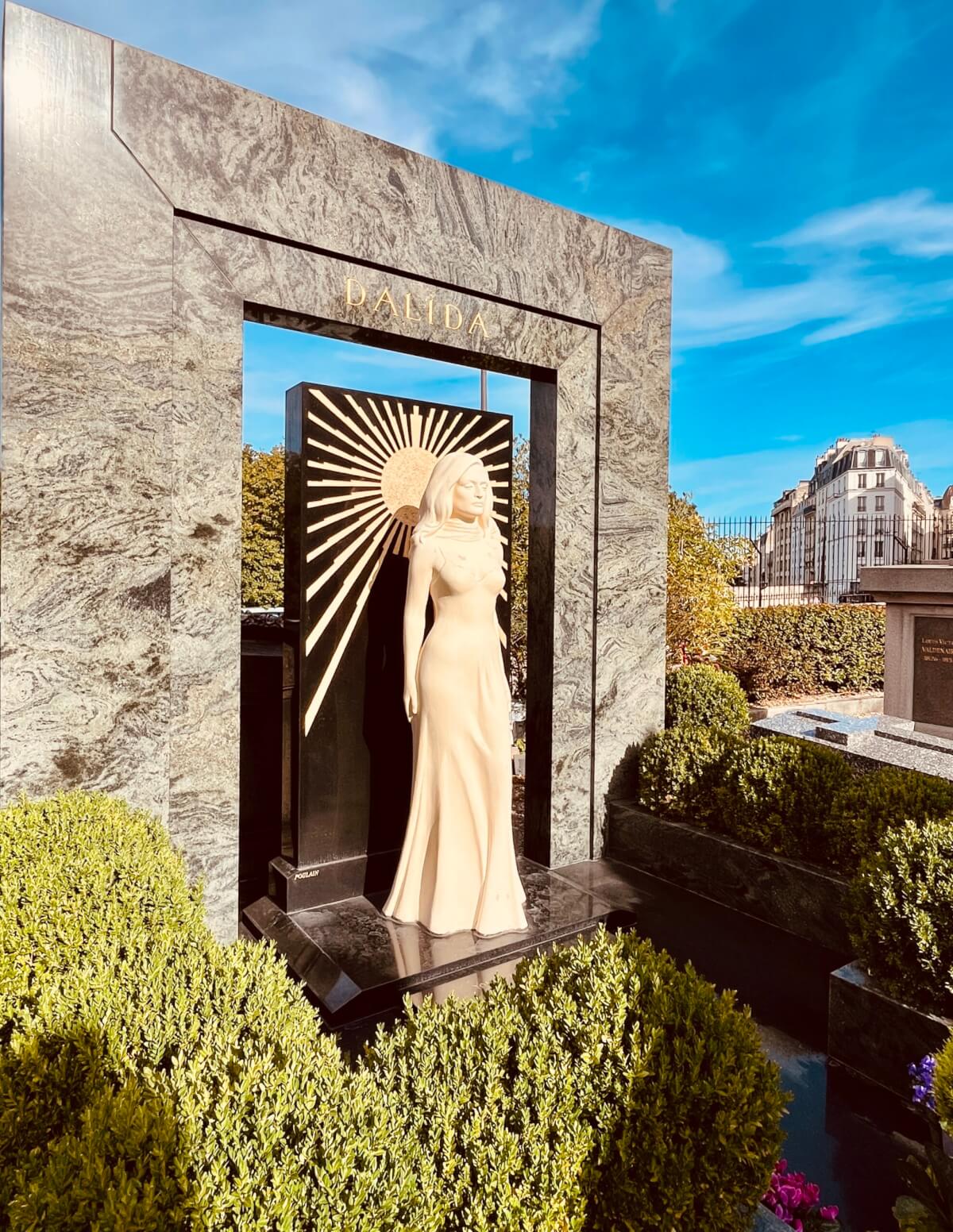
The grave sits in the northern section of the cemetery, below the Caulaincourt bridge — which creates a striking architectural frame overhead. From the main entrance on Avenue Rachel, follow the central path and look for the signs to Division 18. You will find it within five minutes.
💡 Practical tip
Arrive before 10 AM on weekdays for a quieter, more contemplative visit. On weekends in summer, the area around Dalida’s grave can get busy. A free map of the cemetery is available at the entrance lodge.
Want the full story of Dalida’s life in Montmartre — her house, the Place Dalida bronze bust, and her extraordinary career? Read our dedicated article: Dalida in Montmartre: Place Dalida, the Bust, Her House and Grave →
Other Famous Graves Worth Finding
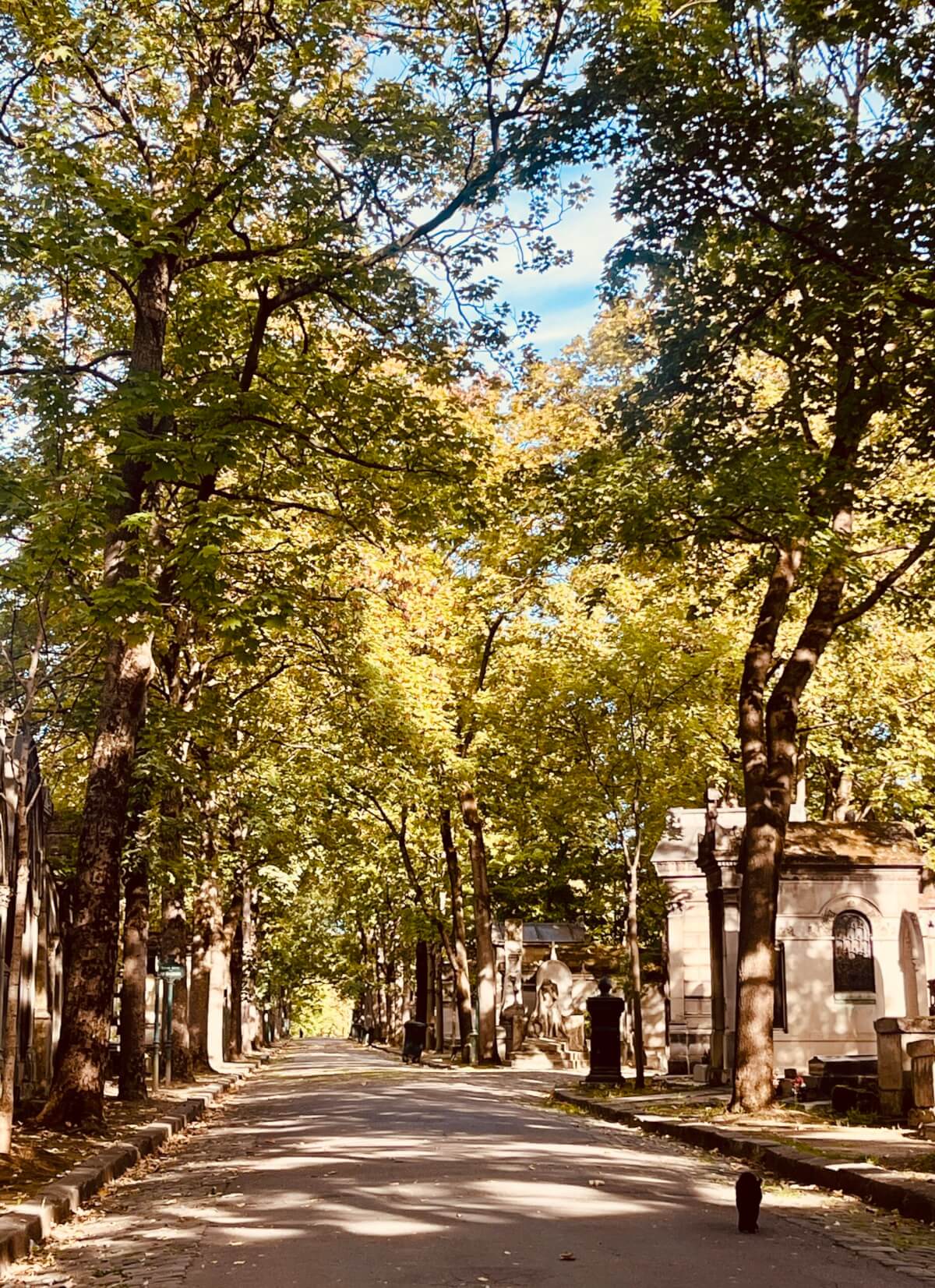
Montmartre Cemetery, opened in 1825, is the third-largest cemetery in Paris and one of the richest in terms of cultural history. Beyond Dalida, here are the graves most visitors seek out:
Hector Berlioz
The Romantic composer of Symphonie Fantastique. Division 1 — one of the most elaborate monuments in the cemetery.
Edgar Degas
The Impressionist painter. Division 4 — a simple tomb for such a celebrated artist.
François Truffaut
The New Wave filmmaker behind The 400 Blows. Division 21 — draws film lovers from around the world.
Vaslav Nijinsky
The legendary Ballets Russes dancer. Division 15 — marked by a sculpture of the dancer in costume.
Alexandre Dumas fils
Author of La Dame aux Camélias, which inspired Verdi’s La Traviata. Division 8.
Heinrich Heine
The German Romantic poet who spent much of his life in Paris. Division 17.
The Cemetery Under the Bridge
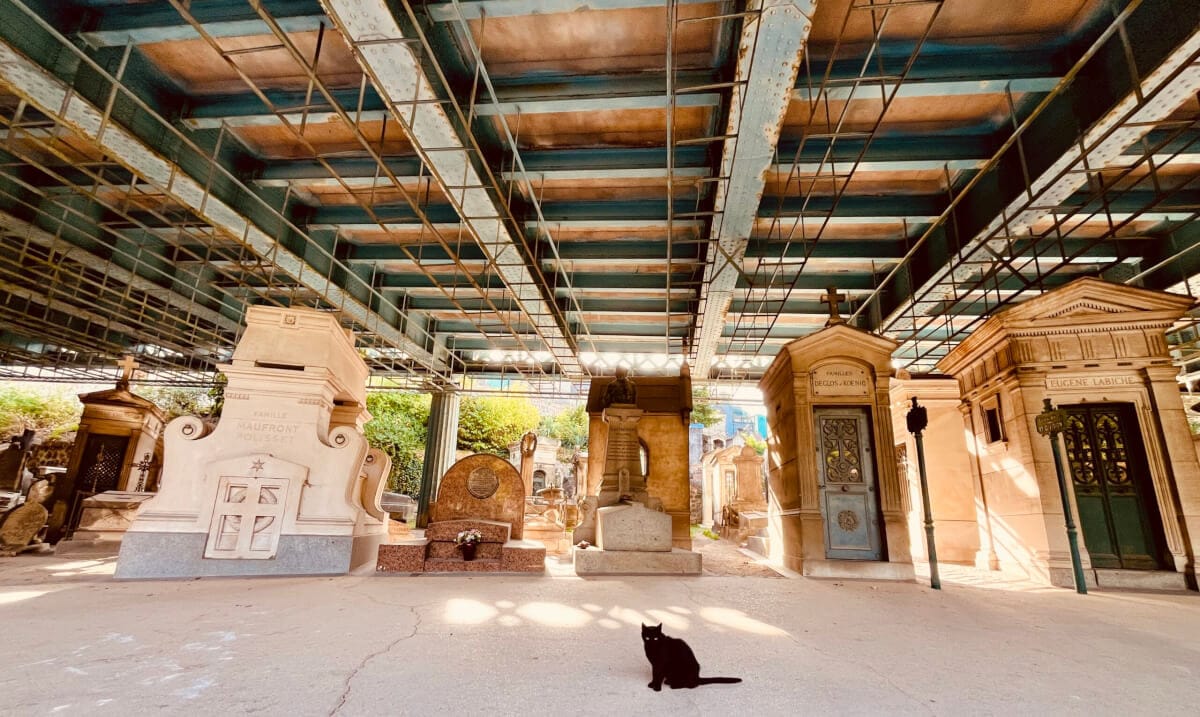
One of the most distinctive features of Montmartre Cemetery is the section that runs beneath the Rue Caulaincourt viaduct. The iron and stone bridge passes directly over the cemetery grounds. Below it, a sheltered gallery of Doric columns and stone benches creates a cool, cathedral-like atmosphere — rain or shine.
This is also where you will spot the cemetery’s famous resident cats — black, unhurried, entirely at home.
How to Get to Montmartre Cemetery
The main entrance is on Avenue Rachel, just off Place de Clichy. There is also a secondary entrance from the Rue Joseph de Maistre side.
📍 Getting There
| Metro | Blanche (Line 2) — 3 min walk Place de Clichy (Lines 2 & 13) — 4 min walk |
| From Lamarck | Lamarck–Caulaincourt (Line 12) — 10 min walk south |
| Bus | Lines 30, 54, 80, 95 — Place de Clichy stop |
| On foot | 15 min from Sacré-Coeur · 20 min from Pigalle |
For a full guide to getting around Montmartre by metro, bus and on foot: How to Get to Montmartre →
Explore Montmartre with a local guide
Combine the cemetery, Place Dalida and Sacré-Coeur in a single guided walking tour. Available in English, small groups.
Practical Tips for Your Visit
Best time to visit: Weekday mornings in late spring or early autumn offer the best light for photography and the most peaceful atmosphere.
How long to allow: A focused visit to Dalida’s grave takes 20–30 minutes. Exploring the full cemetery thoroughly takes 1.5 to 2 hours.
Wear comfortable shoes: The cemetery has cobblestone paths and some uneven terrain. Flat shoes are strongly recommended.
Photography: Personal photography is welcome. Be respectful — many sections are actively used for burials and family visits.
Combine your visit: From here, it is a short walk to Place Dalida, rue de l’Abreuvoir, Sacré-Coeur, and Lamarck–Caulaincourt metro. See our Montmartre Paris Guide for a full neighbourhood itinerary.
💡 Frequently Asked Questions
Yes, entry is completely free. Open year-round, roughly 8:00 AM to 5:30 PM (6:00 PM in summer).
Division 18, near the main Avenue Rachel entrance, beneath the Caulaincourt bridge. Look for the white marble statue with gold sunrays.
Metro Blanche (Line 2) is closest — 3-minute walk. Main entrance: 20 Avenue Rachel, 75018 Paris.
Hector Berlioz, Edgar Degas, François Truffaut, Vaslav Nijinsky, Alexandre Dumas fils, and Heinrich Heine. Free map at the entrance.
Yes, personal photography is allowed throughout. Commercial photography requires prior authorisation from the City of Paris.
Plan Your Montmartre Visit
Montmartre Cemetery is best combined with the neighbourhood’s other highlights. After paying your respects to Dalida, follow rue Lepic up towards the Butte, stop at Place Dalida, and continue to Sacré-Coeur for the panoramic view over Paris.